The Best Vibe Coding Tools in 2026: 8 Claude Code Repos Worth Installing
The best vibe-coding tools aren't another AI model — they're the open-source Claude Code repos you stack on top of it. The right ones turn the agent from a fancy autocomplete into a disciplined senior engineer: it plans before it codes, designs properly, maps your codebase, and gets scanned for security. Here are eight worth installing.
Out of the box, an AI coding agent is a strong junior. Stack a few proven GitHub repos on top and it starts behaving like a senior with discipline. These are the ones worth your time — each a real, public repo (links verified June 2026), grouped by the job it does. Star counts move daily, so we skip them; install what fits your workflow, not all eight.
What actually makes you a better vibe coder?
Speed isn't the bottleneck anymore — judgment is. An AI agent will happily build the wrong thing, over-engineer it, and leave you unable to explain how it works. The repos below fix that: they make the agent plan, design, document, and stay safe, so you ship things you actually understand.
Think of it as a stack on top of your agent (Claude Code, Codex, Cursor, and others): a methodology layer, a design layer, an 'understand the code' layer, and a safety layer. You don't need all eight — pick the one in each layer that matches how you work.
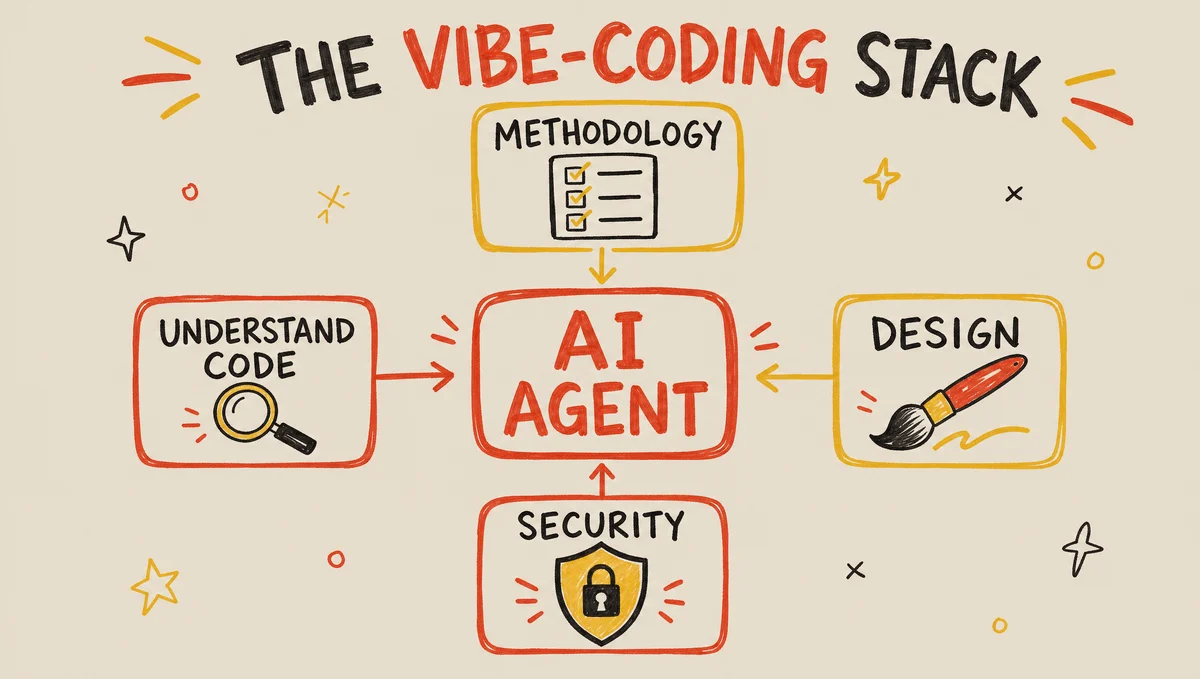
Methodology: make the agent plan before it codes
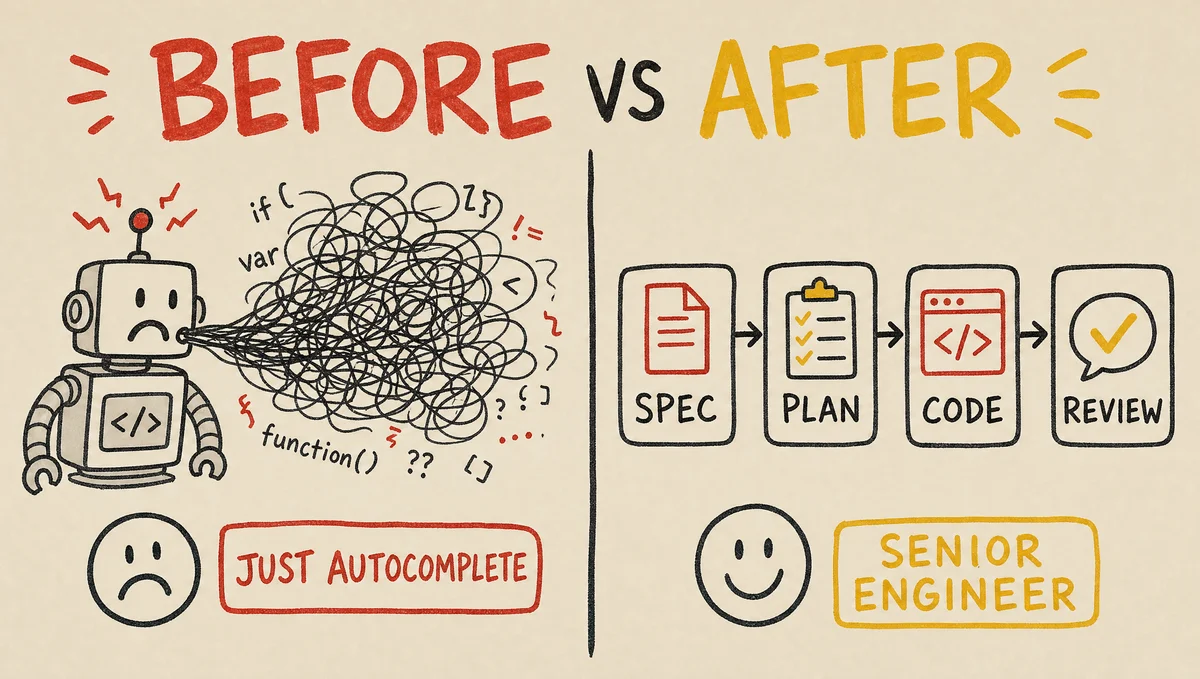
The single biggest upgrade is forcing the agent to spec and plan before it writes a line — that's the difference between a fancy autocomplete and a senior engineer. Both of these install in one command and auto-trigger.
- Superpowers (obra/superpowers)
An agentic skills framework and dev methodology. It makes the agent brainstorm, write spec files, plan, run test-driven loops, and dispatch parallel sub-agents before shipping. It's in Anthropic's plugin marketplace — the usual first pick.
- Everything Claude Code (affaan-m/everything-claude-code)
The Anthropic-hackathon-winning kit: a big set of agents, skills, and commands built around eval-driven development, with token optimization and memory that survives sessions. A strong all-in-one head start.
Build it right: design, and a map of your own code
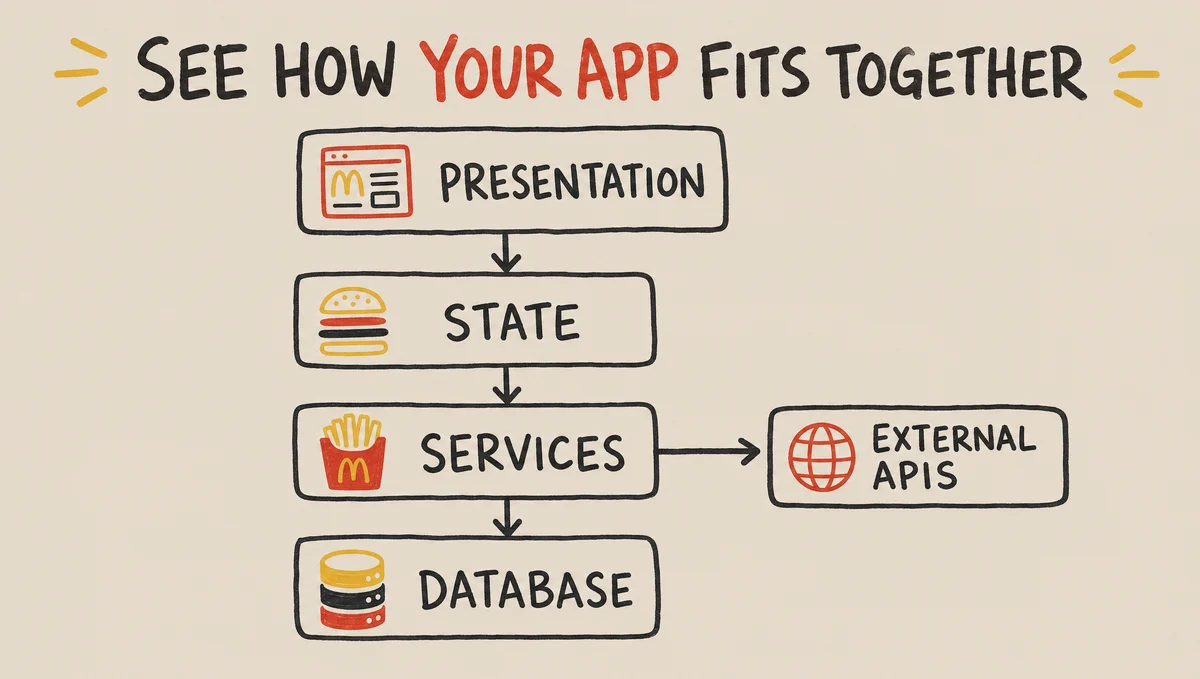
Two problems every vibe-coder hits: AI design comes out generic, and you can't see how the app you 'built' actually fits together. These two fix each.
- Open Design (nexu-io/open-design)
A local-first, open-source alternative to Claude Design. Design skills plus baked-in design systems so the agent ships real, non-generic design artifacts — web, mobile, slides — instead of the default AI look.
- draw.io skill (Agents365-ai/drawio-skill)
Turns your codebase into an editable draw.io architecture diagram from plain language. Seeing the layers lets you point the agent at the right file instead of making it grep blindly — fewer tokens, more understanding.
Memory, voice, and not getting hacked
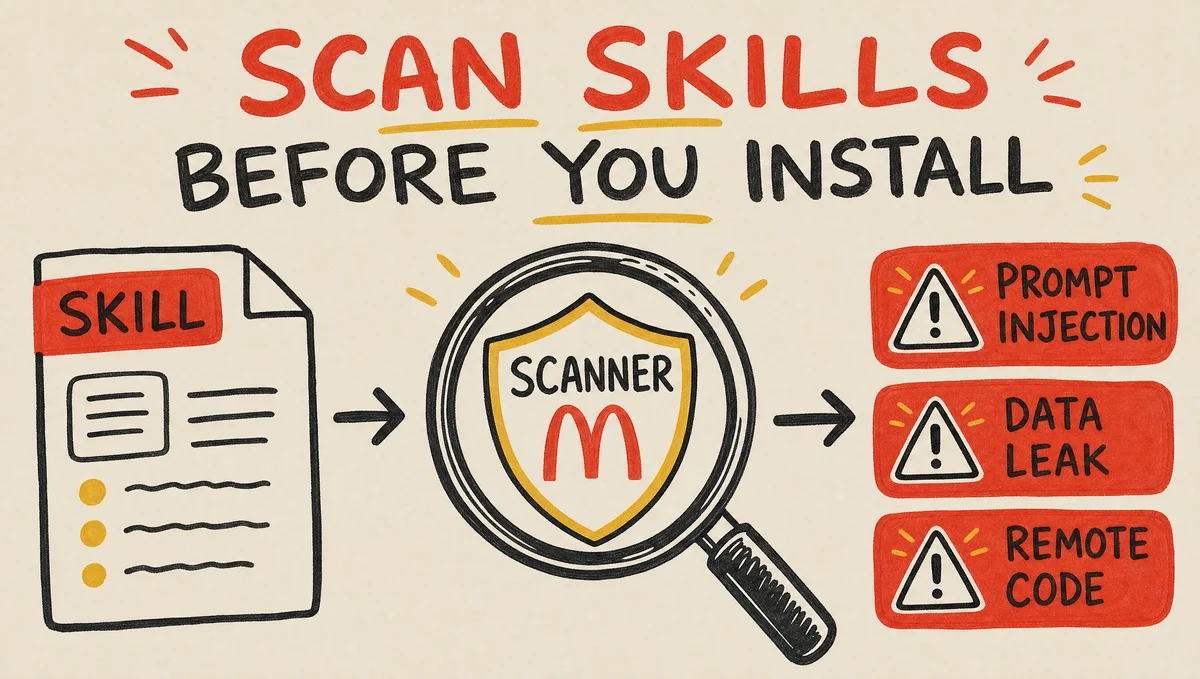
Round out the stack: give the agent a second brain, talk to it instead of typing, and scan what you install — because a 'skill' is executable code running on your machine.
- Obsidian skills (kepano/obsidian-skills)
Official Obsidian agent skills (from Obsidian's Steph Ango). Let the agent read and write your vault — Markdown, Bases, Canvas, the Obsidian CLI — so your notes become a second brain it can actually use.
- Handy (cjpais/Handy)
Free, open-source, local voice-to-text — a WhisperFlow alternative. You speak roughly three times faster than you type, so dictating gives the agent far more context with less effort.
- SkillSpector (NVIDIA/SkillSpector)
A security scanner for agent skills. It checks a repo, URL, or skill for prompt injection, data exfiltration, and malicious patterns before you install — skills are an underrated attack surface, so scan first.
Get your app found: SEO & AEO
One layer most builders skip: once the app works, it still has to be found — by people and by AI answer engines. A Claude Code skill can audit that the same way the others audit your code.
- amazing-seo-skill (metawhisp/amazing-seo-skill)
An SEO + AEO + GEO audit skill for Claude Code: full-site and single-page audits, technical SEO, Schema.org, Core Web Vitals, and AI-citation readiness — with a real browser doing the checks.
- How to get cited by ChatGPT & Perplexity
The strategy behind the audit — how answer engines pick which sources to quote, and how to become one.
Frequently asked questions
- What are the best vibe coding tools right now?
- The most useful ones are open-source Claude Code repos you stack on your agent: Superpowers and Everything Claude Code for methodology, Open Design for design, the draw.io skill to map your code, Obsidian skills for memory, Handy for voice, and SkillSpector for security. Install one per layer.
- Do I need to install all of these?
- No. Pick one per job: a methodology repo (Superpowers), a design repo, a code-mapping repo, and a security scanner. Adding everything at once buries you in skills you'll never use — start with methodology, then add a layer when you feel the gap.
- Are Claude Code skills safe to install?
- Treat them as executable code, because they are. A skill can run scripts on your machine, so a malicious one is a real risk. Scan any repo with a tool like NVIDIA's SkillSpector before installing, especially if it's unfamiliar or you can't read its source.
- What's the difference between a skill and a plugin?
- Loosely: a skill is a packaged capability the agent auto-triggers (a workflow, a checker), and a plugin bundles skills, agents, commands, and config for one-command install. Most repos here install as plugins and bring their skills along.
- Do these only work in Claude Code?
- Most are cross-harness. Several — Superpowers, Everything Claude Code, Open Design, Obsidian skills — also run in Codex, Cursor, Gemini CLI, and others, because they follow the open agent-skills format. Check each repo's README for the current list.